
Same Mutation, Different Fate
When MRD testing evolves from a numerical readout into a definition of clonal behavior, it becomes what clinicians have needed all along: a tool that informs action, not just detection.
When MRD testing evolves from a numerical readout into a definition of clonal behavior, it becomes what clinicians have needed all along: a tool that informs action, not just detection.
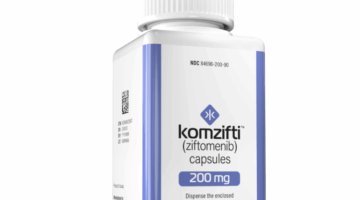
Kura Oncology’s Komzifti is approved for treating advanced cases of acute myeloid leukemia with an NPM1 mutation. A Syndax Pharmaceuticals drug is already approved in this indication, but Kura says its drug has advantages in safety and patient convenience.

Small practices play a critical role in healthcare delivery, but they cannot continue to absorb ever-increasing administrative demands without consequences.
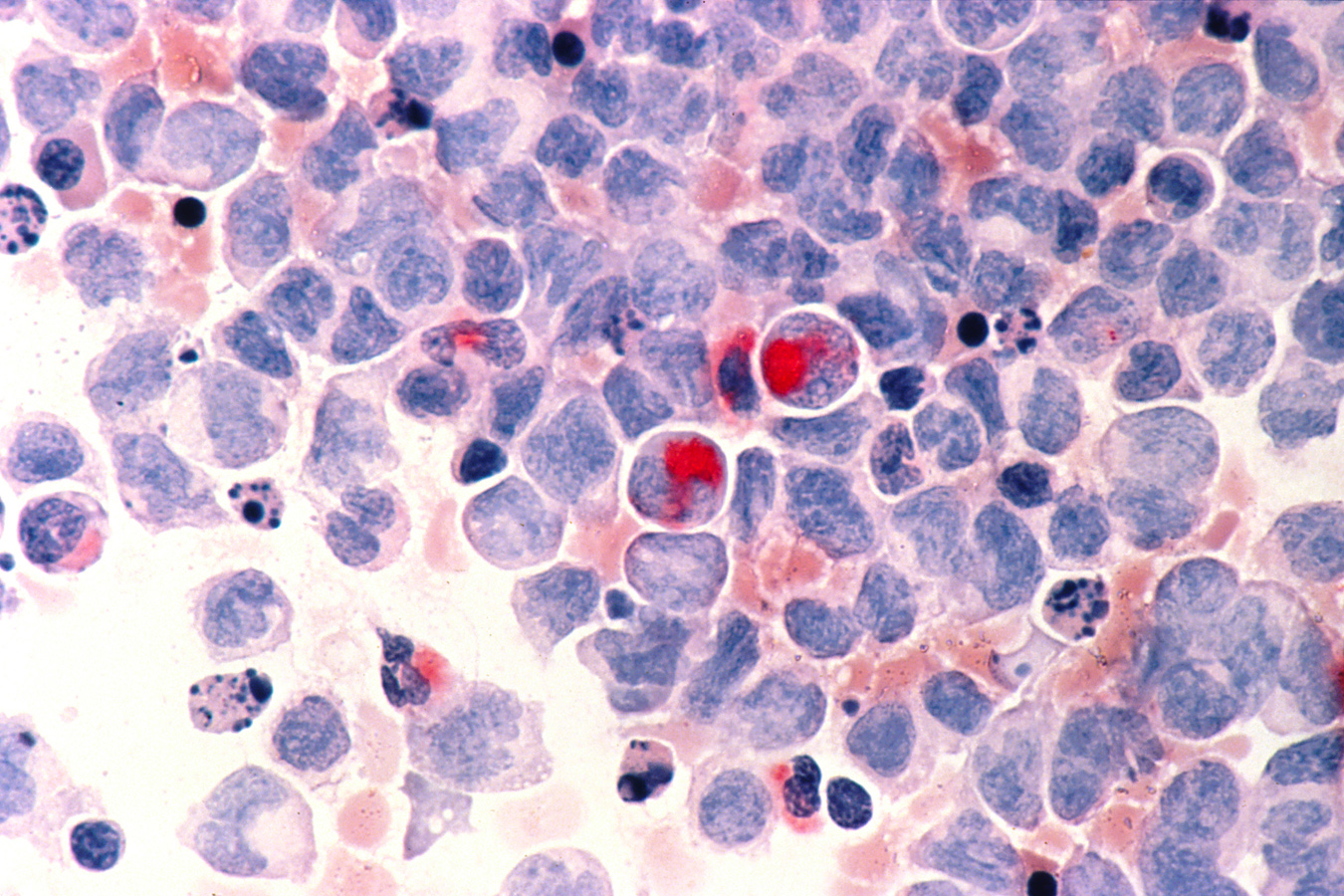
Kura Oncology’s ziftomenib addresses a specific genetic mutation present in about 30% of cases of acute myeloid leukemia. Data from the drug’s pivotal Phase 2 test were presented during the annual meeting of the American Society of Clinical Oncology.
Kura Oncology already had a broad development plan for ziftomenib in leukemias, but the agreement with Kyowa Kirin provides the cash to execute it and a partner to commercialize the drug globally. Ziftomenib is in the same class of medicines as Syndax Pharmaceuticals’ Revuforj, which won FDA approval last week.
Gilead Sciences said an independent review of interim Phase 3 data found the immunotherapy, magrolimab, led to a higher risk of death. Though Gilead is discontinuing further development of the drug in blood cancers, a review is ongoing in solid tumors.
2seventy Bio reported that an acute myeloid leukemia patient treated with its experimental cell therapy has died, prompting research partner Seattle Children’s Research Institute to pause the Phase 1 study. The FDA has been notified and an investigation is underway.

Healthcare decision-makers, especially at pharmaceutical companies, must prioritize patient input. Data collected from social media listening is a significant step in the right direction.
Gilead Sciences is betting that a MacroGenics antibody drug for blood cancers can offer a safety edge over others that address the same target. It’s the second partnership between the two companies; an alliance that began in 2013 expired without Gilead licensing any molecules from the deal.

The lead cancer drug candidate of Foghorn Therapeutics is now under a partial clinical hold following a patient death. According to the biotech, the patient may have experienced a side effect that is a known complication of leukemia drugs.

The FDA placed the partial hold on the study last November following a patient death suspected to be linked to a known complication of leukemia therapies. Kura Oncology said it has reached agreement with the FDA on a mitigation strategy for that complication.
The FDA placed a partial clinical hold on a Kura Oncology leukemia drug following the death of one patient in the early-stage study. Kura executives said the death may be related to differentiation syndrome, a known complication of leukemia therapies.


Healthcare payments are no longer about transactions. It’s about controlling the revenue cycle. And increasingly, that control is not sitting with ISOs.

BMS received approval for Onureg in the continuation setting of acute myeloid leukemia. The drug uses the same pharmaceutical molecule as Vidaza, a drug given via IV or subcutaneously that is used upfront, but it is not intended as a substitute for it.

The company has raised $148 million so far and plans to raise the remaining $7 million by next month. Its lead candidate is entospletinib, a SYK inhibitor acquired as part of a deal with Gilead Sciences last month, under development for patients with biomarker-defined acute myeloid leukemia.
Experts expressed dismay at single-agent data from the Phase I study, which a spokesperson noted was still in dose expansion. However, the drug could have a future in combinations or in patients with minimal disease left over after prior treatment.

The company presented Phase Ib data for magrolimab, a CD47 inhibitor, in AML and MDS. An interviewed executive and an investigator expressed particular excitement about complete responses in a poor-prognosis patient subset, in addition to the general AML population.

The companies said Venclexta extended overall survival in untreated acute myeloid leukemia patients when combined with Bristol-Myers Squibb's Vidaza. A prior Phase III confirmatory trial, combining the drug with low-dose cytarabine, failed.